Carpet odors can be stubborn and unpleasant, affecting the comfort of your living space. The most effective way to remove odors from carpets is to clean them thoroughly using a combination of vacuuming, baking soda, and a suitable carpet cleaner.
Identifying the source of the odor helps target the cleaning process more efficiently. Whether the smell comes from pets, spills, or moisture, the right techniques can eliminate it rather than just mask it.
This guide will break down simple, practical steps to refresh your carpet and get rid of unwanted smells for good.
Understanding Carpet Odors
Carpet odors develop from several sources and vary widely in their chemical and biological makeup. The persistence of these smells often depends on the type of odor and whether the carpet is adequately maintained. Health risks linked to these odors can also influence decisions on cleaning methods and urgency.
Common Causes of Carpet Odors
Odors in carpets usually arise from organic spills, pet accidents, moisture buildup, and trapped dust or dirt. Food and beverage spills like wine or coffee leave strong stains and odors that can penetrate deeply. Pet urine and feces pose a significant source of persistent odors due to bacteria and ammonia compounds.
Moisture trapped beneath the carpet encourages mold and mildew growth, producing a musty smell. Poor ventilation and high humidity increase this risk. Household dust and dirt absorb odors from the environment, contributing subtle but persistent smells.
Types of Odors in Carpets
Odors in carpets can be classified into biological, chemical, and environmental categories. Biological odors include pet urine, sweat, and decomposed organic material. These typically emit ammonia, sulfur compounds, or other foul smells.
Chemical odors may originate from spilled cleaning agents, solvents, or cigarette smoke absorbed by the fibers. These smells often have a sharp or synthetic quality. Environmental odors include smoke, cooking scents, and outdoor pollutants that settle into carpets over time.
Each type requires different cleaning approaches. For example, enzymatic cleaners work well on biological odors, while chemical odors may need ventilation or neutralizers.
Health Implications of Persistent Odors
Persistent carpet odors often indicate bacterial or mold activity, which can trigger respiratory issues or allergic reactions. Mold spores release mycotoxins that can worsen asthma and cause headaches. Ammonia from pet urine irritates mucous membranes and can lead to coughing or eye irritation.
People with allergies, asthma, or compromised immune systems are more vulnerable to health effects. Prolonged exposure to certain chemical odors can cause nausea or dizziness. Regular carpet maintenance reduces odor buildup and associated health risks.
Essential Preparation Steps
Effective odor removal begins with understanding the source of the smell and assembling the right tools. Taking safety precautions before starting ensures a smooth and damage-free cleaning process.
Assessing the Odor Source
Identify the odor’s origin by examining the carpet closely. Common causes include pet urine, food spills, mold, or smoke residues.
Look for discoloration, damp spots, or a musty smell, which can indicate moisture or mold. Pinpointing the exact cause helps in choosing the correct cleaning method and products.
Some odors come from deep within the carpet padding. If the smell persists after surface cleaning, consider whether the padding or subfloor might be affected, requiring more extensive treatment.
Gathering Cleaning Supplies
Prepare all necessary materials before cleaning to avoid interruptions. Essentials often include:
- Baking soda for neutralizing odors
- White vinegar for deodorizing and mild disinfecting
- Enzyme cleaners for organic stains like urine
- A vacuum cleaner with strong suction
- Clean microfiber cloths or sponges
Use enzyme cleaners specifically on biological stains to break down odor-causing molecules. Avoid mixing vinegar with bleach or ammonia to prevent harmful fumes.
Pre-Cleaning Safety Measures
Ensure proper ventilation by opening windows and using fans to circulate fresh air. This helps reduce exposure to fumes from cleaning agents.
Wear gloves to protect your skin, especially when handling enzyme cleaners or vinegar solutions. If you have allergies or respiratory issues, consider a mask.
Test cleaning products on a small hidden area of the carpet to check for colorfastness and damage. This precaution prevents discoloration or fiber weakening during full application.
DIY Odor Removal Techniques
Removing odors from carpets often involves simple household items and effective cleaning habits. Proper vacuuming, natural deodorizing agents like baking soda, and a vinegar-based solution can significantly reduce unwanted smells without harsh chemicals.
Vacuuming for Odor Reduction
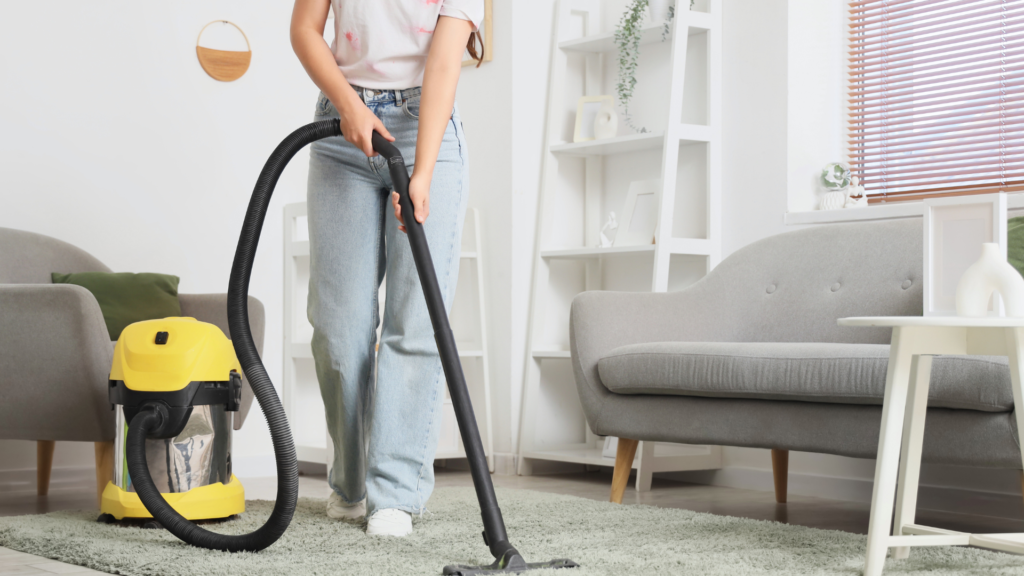
Regular vacuuming is the first step in managing carpet odors. Use a vacuum with strong suction and a HEPA filter to trap fine dust and particles that contribute to odors. Vacuum in multiple directions to reach deeply embedded debris.
Empty or clean the vacuum bag or canister frequently to maintain efficiency. For areas with heavy foot traffic or pet presence, vacuum daily or every other day. Combining vacuuming with other odor removal methods improves overall carpet freshness.
Baking Soda Deodorizing Method
Baking soda is a low-cost, non-toxic deodorizer ideal for carpets. Sprinkle a generous, even layer over the carpet surface. Let it sit for at least 15 minutes, or up to several hours for strong odors.
After waiting, vacuum thoroughly to remove all residue. Baking soda neutralizes acidic and basic odor molecules instead of just masking smells. For persistent odors, repeat this process weekly or more often as needed.
Vinegar and Water Solution Application
A vinegar and water mixture can break down odor-causing agents safely. Mix equal parts white vinegar and water in a spray bottle. Lightly mist the carpet without soaking it to avoid damage.
Allow the solution to air dry; the vinegar smell will dissipate within minutes, carrying away unpleasant odors. Test a small, hidden area first to ensure colorfastness. This method works well combined with a prior baking soda application for deeper deodorizing.
Deep Cleaning Methods
Removing odors from carpets often requires more intensive approaches that target deep-seated dirt and odor-causing substances. Techniques such as using heat, biological agents, or specialized cleaning products can effectively refresh your carpet environment.
Steam Cleaning for Odor Elimination
Steam cleaning uses high-temperature steam to penetrate carpet fibers and loosen dirt, bacteria, and odor particles. The heat also helps kill dust mites and many odor-causing microbes. A typical steam cleaner sprays hot water mixed with a cleaning solution, then extracts it along with the grime.
For best results:
- Use distilled water to prevent mineral buildup.
- Move the machine slowly to allow thorough cleaning.
- Allow carpets to dry completely to avoid mold growth.
This method is especially effective for pet odors and smoke smells embedded in thick carpets.
Enzyme Cleaner Application
Enzyme cleaners break down organic materials that cause odors, such as urine, sweat, and food spills. These cleaners contain specific enzymes that digest proteins and other compounds, converting them into odorless molecules.
To apply:
- Blot fresh stains before treating.
- Saturate the affected area with the enzyme cleaner.
- Allow it to sit for 10–15 minutes or per product instructions.
- Blot or rinse as necessary.
Enzyme cleaners are best for biological odors and are safe on most carpet types.
Shampooing Carpets with Odor Neutralizers
Shampooing uses a foamy detergent specifically designed for carpets alongside machines that scrub and extract dirt from fibers. Adding an odor neutralizer to the shampoo formula helps bind and eliminate odors rather than just masking them.
Key steps:
- Pre-vacuum the carpet.
- Dilute shampoo and odor neutralizer correctly.
- Use a carpet shampooer machine, following the manufacturer’s directions.
- Extract excess moisture promptly.
Shampooing is practical for routine maintenance and tackling lingering odors from spills or dampness.
Special Cases: Stubborn and Pet Odors
Dealing with tough carpet odors often requires targeted approaches. Some smells, such as pet waste or mold, penetrate deeply and resist regular cleaning methods.
Treating Pet Urine and Feces Smells
Pet urine and feces contain ammonia and bacteria, which cause strong, persistent odors. The first step is to blot the area immediately using paper towels or a clean cloth to remove as much liquid as possible.
Next, apply an enzyme-based cleaner designed specifically for pet stains. These cleaners break down urine proteins and neutralize odors instead of just masking them. Allow the cleaner to soak deeply for 10-15 minutes.
After treating, rinse with cold water and blot dry. Avoid heat during drying, as it can set stains and odors. Repeat the process if the smell remains. For older or severe stains, consider professional cleaning with pet-specific solutions.
Removing Mildew and Mold Odors
Mildew and mold odors signal dampness inside the carpet fibers or padding. Identify the affected area and dry it thoroughly using fans or dehumidifiers.
Use a mixture of white vinegar and water (1:1 ratio) sprayed directly onto the affected area. Vinegar kills mold spores and neutralizes the musty smell. Let it sit for 30 minutes before blotting excess moisture.
If odors persist, sprinkle baking soda on the dry carpet overnight to absorb remaining smells. Vacuum thoroughly the next day. Avoid excessive moisture during treatment, as it can worsen mold growth. For extensive mold, seek professional remediation to protect health.
Preventing Future Carpet Odors
Keeping carpets odor-free requires consistent upkeep, prompt attention to spills, and controlling the indoor environment. These strategies reduce the chance of lingering smells and help maintain a fresh carpet surface.
Routine Maintenance Tips
Vacuum carpets regularly, ideally two to three times per week. This removes dirt and debris that can trap odors. Use a vacuum with a HEPA filter to capture fine particles.
Deep clean carpets every 6 to 12 months with a steam cleaner or hire professional services. This eliminates trapped oils and bacteria that cause smells. Baking soda can be sprinkled before vacuuming to neutralize odors.
Place entrance mats at doors to reduce dirt from shoes. Encourage removing shoes indoors to limit contaminants that contribute to carpet odors.
Immediate Spill and Stain Response
Respond to spills promptly to prevent stains and odor development. Blot liquids immediately with a clean cloth; avoid rubbing, which pushes liquid deeper.
For food or pet stains, use an enzyme-based cleaner designed for carpets. These products break down organic material that causes odors.
After cleaning, dry the area thoroughly to prevent mold and mildew growth. Use fans or open windows if needed to speed drying.
Humidity and Ventilation Management
Maintain indoor humidity between 30% and 50% to discourage mold growth on carpets. Use a dehumidifier in damp areas such as basements.
Proper ventilation helps reduce moisture buildup and odors. Open windows regularly and use exhaust fans in kitchens and bathrooms.
Avoid placing carpets in areas with poor air circulation or where moisture regularly accumulates. This minimizes ongoing odor issues related to humidity.
When to Seek Professional Help
Knowing when to call a professional can prevent further damage and ensure thorough odor removal. Some situations require specialized equipment or expertise beyond DIY methods.
Signs You Need Professional Cleaning
Persistent odors that linger despite regular cleaning are a key indicator. If the smell returns quickly after deodorizing, it suggests deep carpet contamination.
Stains from pet urine, especially if large or old, often require professional treatment. DIY products may not fully neutralize ammonia or bacteria, causing the odor.
Visible mold or mildew growth also demands professional attention. Health risks and carpet damage increase without proper cleaning and drying techniques.
Choosing a Carpet Odor Removal Service
Look for companies specializing in odor control, not just general carpet cleaning. Ask about their methods for treating pet odors, smoke, or mold.
Check credentials such as certifications from the IICRC (Institute of Inspection, Cleaning, and Restoration Certification). This ensures trained technicians and industry-standard procedures.
Request a detailed estimate covering treatment steps, products used, and guarantees. A reliable service often offers a satisfaction guarantee or follow-up visits if odors return.
Reviews and referrals can help assess effectiveness and customer service quality before hiring.