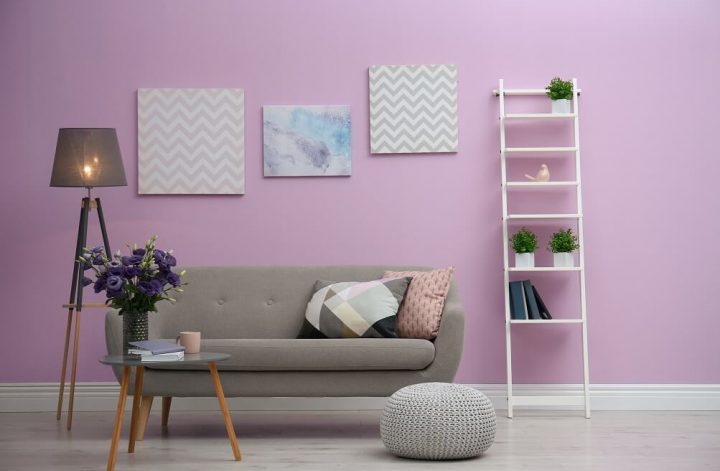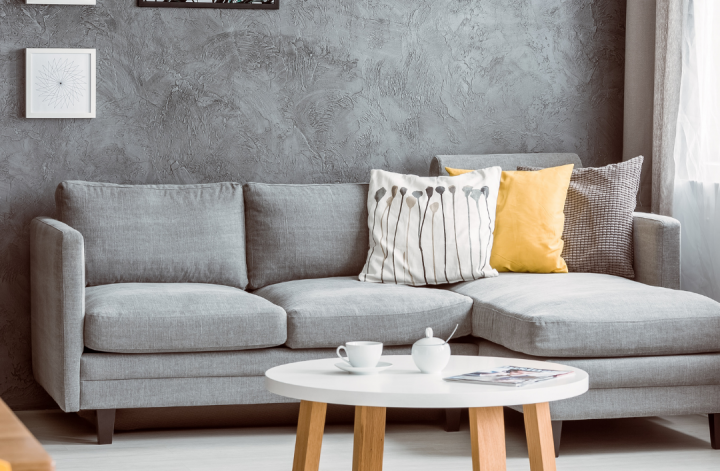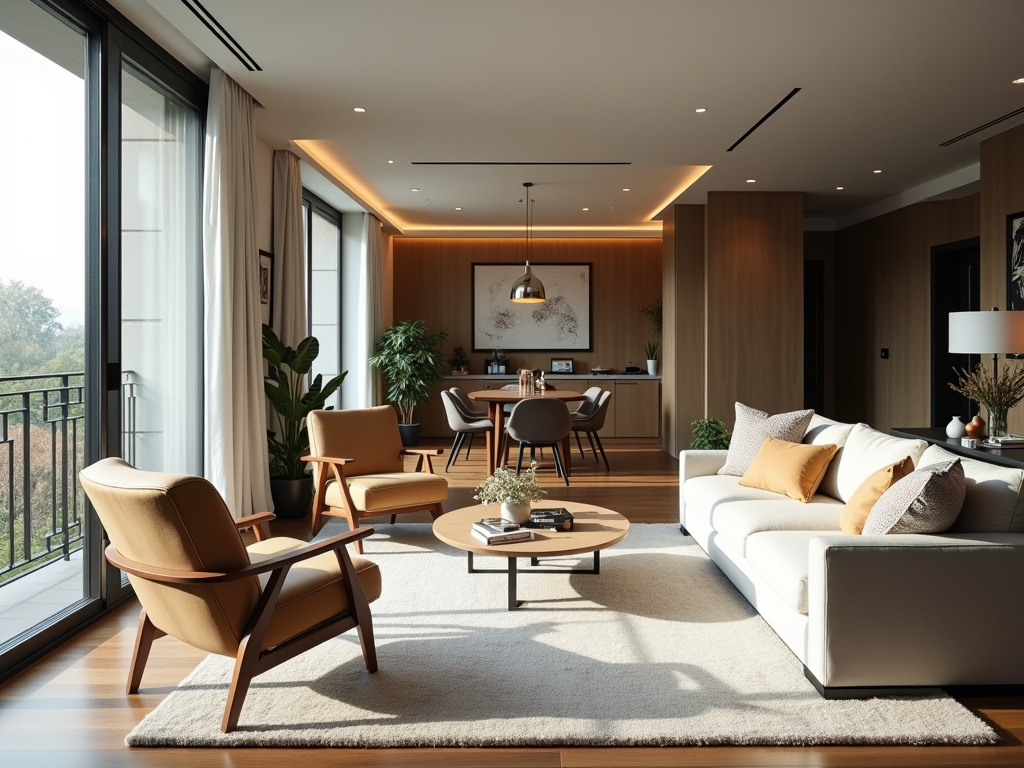
Imagine walking into a room with a sagging couch, mismatched chairs, and a wobbly table. It just feels… off, right? Now picture a space with a comfy sofa, a sturdy dining table, and just the right amount of storage to keep things tidy. It’s like night and day.
Furniture isn’t just about having a place to sit or eat. It shapes how a room looks, feels, and even functions. The right pieces can make a space inviting, comfortable, and practical, while the wrong ones can make even a beautiful house feel cluttered, awkward, or uncomfortable.
So, how do you get it right? It’s not as complicated as you might think.
Comfort First: Because You Actually Have to Live There
A couch might look amazing in a showroom, but if it feels like sitting on a rock, what’s the point? The same goes for beds, chairs, and even dining benches. You want furniture that not only looks good but also works for real life.
Think about it: You spend hours lounging on the couch, sleeping in your bed, and sitting at your desk. If those pieces aren’t comfortable, your whole space can feel frustrating. When choosing furniture, always test it out if you can. Sit on the couch. Lie down on the bed. If you’re shopping online, check reviews from real people who’ve actually used the product.
And comfort isn’t just about softness. The right height, depth, and support matter too. A couch that’s too deep can make you feel like you’re drowning in cushions. A chair that’s too stiff can make working at your desk a nightmare. Pick furniture that feels good and fits how you actually use it.
Size and Layout: Making the Most of Your Space
Ever walked into a tiny room with a massive couch blocking everything? Or a giant living room that somehow still feels empty? That’s what happens when furniture doesn’t fit the space.
Before buying anything, measure your room. Seriously, get a tape measure and write down the dimensions. A table that looks perfect in a store might be way too big (or too small) for your dining area.
Think about the layout too. You don’t want to be squeezing past a bulky chair just to get to the couch, and you don’t want a bed that takes up every inch of a bedroom. Furniture should help a space flow, not make it feel cramped.
For small spaces, multi-functional furniture is a lifesaver. A storage ottoman can hold blankets, a fold-out table can give you extra surface space when you need it, and a compact sofa can make a living room feel bigger.
Style and Personality: Making a Space Feel Like Yours
A house doesn’t feel like home until it reflects you. That’s where furniture choices come in. The color, material, and style of your pieces shape the vibe of the whole space.
Love a modern look? Go for sleek furniture with clean lines. Prefer something cozy? Soft fabrics and warm wood tones will help. If you like a mix of styles, that’s fine too—just make sure it feels balanced, not random.
And don’t forget personal touches. A well-placed accent chair, a bookshelf full of things you love, or a dining table where friends and family can gather—these choices make a home feel warm and lived-in.
For those looking to find stylish and practical furniture options, sicotas offers a variety of pieces that can fit different styles and needs. Whether you’re furnishing a small space or revamping a larger room, having the right furniture can make all the difference.
Quality Matters More Than You Think
It’s tempting to go for the cheapest option, especially when you’re on a budget. But low-quality furniture often ends up costing more in the long run. A cheap sofa might start sagging in a year. A flimsy table might wobble every time you use it.
That doesn’t mean you have to spend a fortune—just look for pieces that are built well. Solid wood lasts longer than particleboard. Sturdy frames and strong joints matter. Even small things, like smooth drawer slides and durable fabric, can make a big difference.
If you’re buying secondhand, check for signs of wear that could affect the piece’s lifespan. A little scuffing is fine, but wobbly legs or sagging cushions might not be worth it.
Storage: The Key to Keeping a Space Functional
Even the most beautiful furniture won’t help if your space is always cluttered. That’s why storage is just as important as style.
A coffee table with hidden compartments can keep remotes and books out of sight. A bed with built-in drawers can store extra clothes or blankets. Shelving units can hold everything from décor to everyday essentials.
If you’re working with a small space, think vertically. Tall bookshelves, wall-mounted storage, and stackable bins can help you make the most of every inch.
The goal is to make storage easy so you’re not constantly battling clutter. When everything has a place, a room automatically feels more put-together.
Lighting and Furniture: A Team Effort
Furniture isn’t the only thing that shapes a space—lighting plays a big role too. The best setup balances natural light, overhead lighting, and smaller lamps or accent lights.
For example, a well-placed floor lamp next to a reading chair makes the space more functional and cozy. A bright pendant light over a dining table sets the right mood for meals. Soft bedside lighting can make a bedroom feel more relaxing.
If your room feels a little dull or harsh, adjusting the lighting can completely change the atmosphere. And the right furniture placement can help—keep seating near windows when possible and make sure key areas have enough light to be comfortable.
Final Thoughts: Making Your Space Work for You
At the end of the day, furniture isn’t just about filling a room, it’s about creating a space that feels good to live in. The right furniture makes your home feel comfy, look great, and actually work for your everyday life.
So before buying anything, think about how you’ll actually use it. Will it fit your space? Is it comfortable? Does it match your style? And most importantly—does it make your home feel personal?
When you get it right, furniture isn’t just furniture, it’s what turns a house into a home.